
 Maxime Devillaz
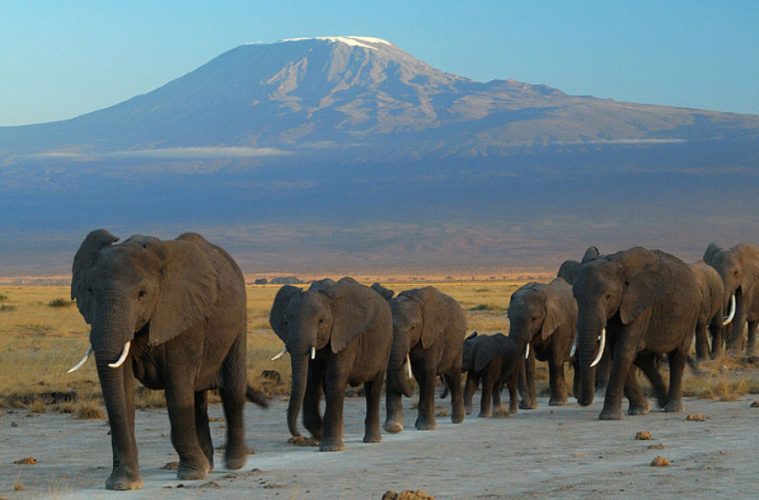
Mount Kilimanjaro is the ultimate paradox of ecotourism. At 19,340 feet (5895m), Africa’s highest peak is one of the most visited attractions on the continent and it significantly bolsters the Tanzanian economy. However, tourist overpopulation, littering and local mismanagement are considerable bi-effects on the ecosystem. Making it to the top is, therefore, not only a matter of personal achievement; it’s a way of contributing in the right manner. Below are a few things to consider before departure to make your Kilimanjaro hiking trip worthwhile.
Kilimanjaro is known for its abundant ecosystems and relatively accessible climb. The reason for its reputation is because there is no trekking skills or equipment needed to climb it. The sole demanding aspect is the final ascent to the top. It is the longest journey and also the most rapid in change of altitude.
As a result, the highest freestanding mountain in the world attracts lots of trekkers—35,000-40,000 a year, to be more exact. There are ways to avoid the crowds at Kilimanjaro. For instance, pick one of the less jammed routes, or climb the peak during daytime. Regardless, expect to meet folks on your journey—and monkeys, perhaps!
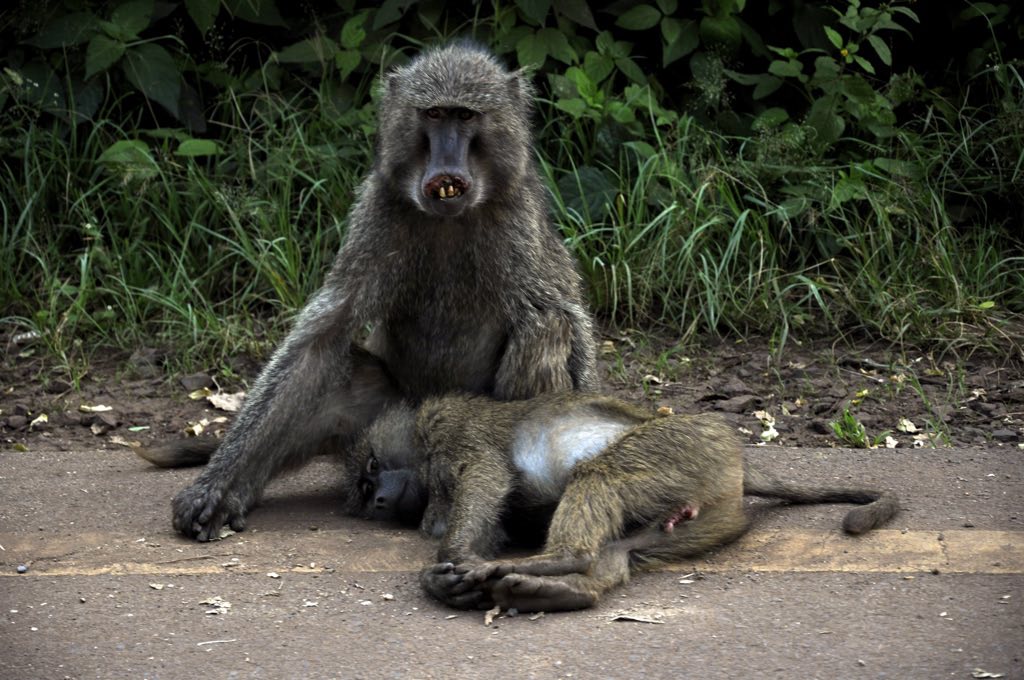
Photo: Maxime Devillaz
Seven Routes to the Summit:
There are seven entrenched routes to ascend. Before deciding on your path, keep scenery, difficulty and foot traffic in mind.
Marangu: A Trail for Everyone
As the oldest route on Mount Kilimanjaro, Marangu is also considered the easiest. The slope is progressive throughout, and there are dormitory huts to sleep in for those who don’t care too much about spending the night in a tent. Reaching the top could be done in only five days, but it’s recommended to use an extra day to better acclimatize to the mountain.
The downside with this route is that trekkers descend the same exact way. Inescapably, Marangu gets busy, and climbers miss out on varied scenery. Sleeping huts are, however, a plus during rain season.

Photo: Maxime Devillaz
Machame: Take the challenge
Most adventurers want a challenge. Perhaps this explains why Machame is the most popular route on Kilimanjaro. The walks are steeper and considerably longer than on Marangu, and thus better suited for more advanced climbers.
For that reason, add an extra day to the Machame route. It’s more scenically appealing than Marangu, but loses some of its lustre with the crowd.
Lemosho: Scenic Success
As one of the newest trails on the mountain, Lemosho is considered by some to be the most stunning of them all. This is largely because one gets to see various sides of the mountain. It makes its own route for most of the ascent, before joining with Machame at the end. Such a path ensures low traffic and a high summit success rate, altogether. The recommended number of days is eight, but it can be done in less.
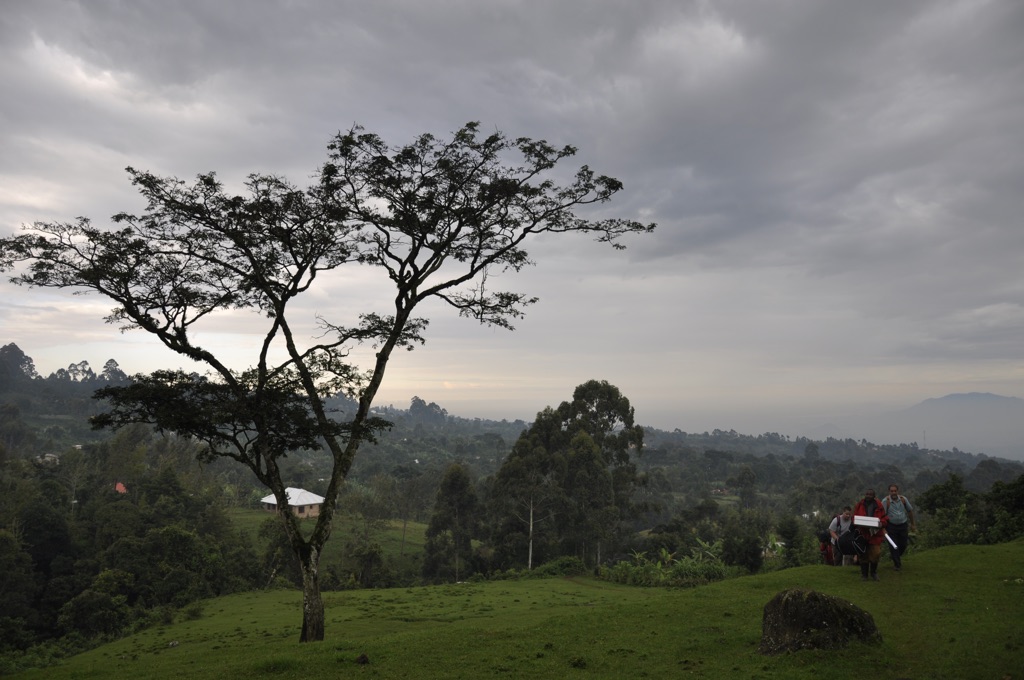
Photo: Maxime Devillaz
Shira: Get Your Lungs Ready
Shira is the original route that Lemosho was made from, which makes them both look much alike. The difference is the starting point. Shira starts at a much higher elevation, and thus poses a greater risk of altitude sickness from the get-go.
Northern Circuit: Best Summit Success
The circuit is the most recent trail on Kilimanjaro. It ascends from the west on the Lemosho trail to start with. But instead of moving south like the others, it takes a northbound spin. This approach means very low foot traffic, as the northern slopes are rarely visited.
It takes nine days to make this climb—longer than any other. This gives trekkers a chance to acclimatize to the mountain, and has led to the highest success rates.
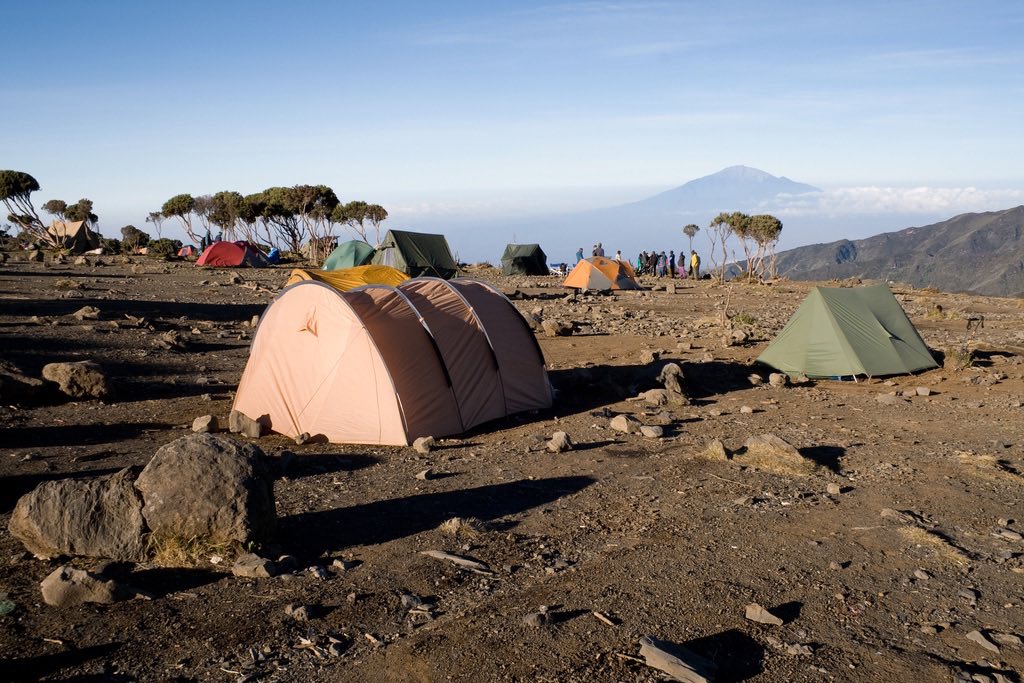
Photo: Stig Nygaard via Flickr
Rongai: True Wilderness
As the sole northern-only trail, Rongai has low foot traffic and is the ultimate alternative to Marangu. The hike is remote, and a good option for hikers with less experience. It’s also a good bet during rainy season since there’s lower precipitation on that side of the mountain. Rongai makes its way down the Marangu route.
Its trail is not as scenic as the western routes, but Rongai passes through true wilderness areas during the first days of climbing. Count six to seven days to make the up-and-down.
Umbwe: Short, Steep & Direct
If you’re looking for a challenge, think Umbwe. It’s short, steep and direct—the most challenging Kilimanjaro gets. A quick ascent means lower traffic, but also less time to acclimatize. This shows in the summit success rates. With a little longer descent, the route is offered at six or seven days total.
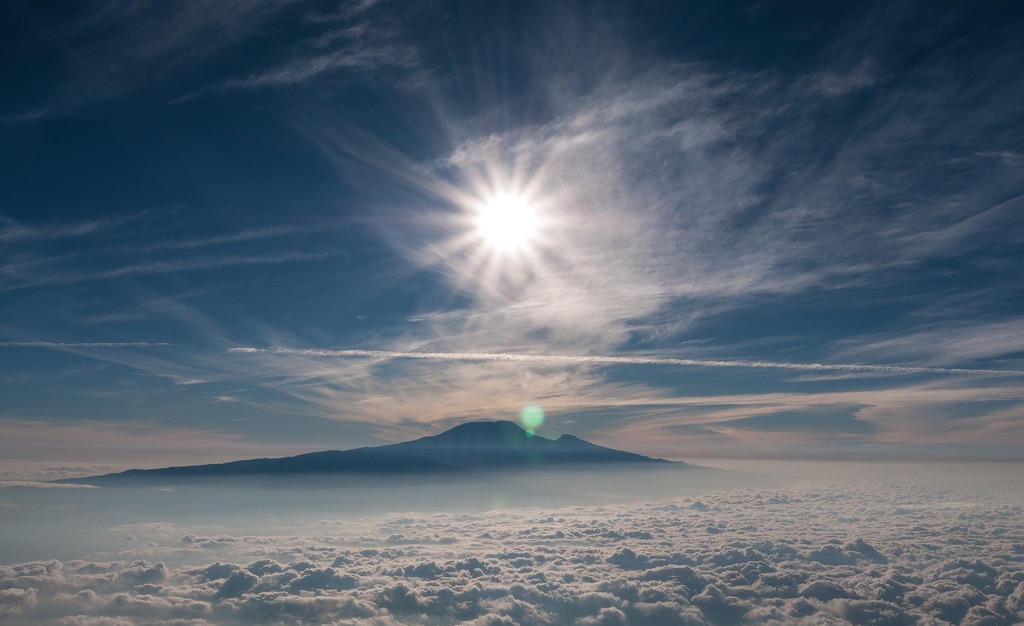
Photo: Yoni Lerner via Flickr
Green travel Tips for Hiking Kilimanjaro
While deciding on a trail is a key start, there are other things to consider before taking off to Tanzania. Below are some tips to help make your journey one never to forget.
Take Only Pictures, Leave Only Footprints
As the saying goes, popularity comes with a price; this one’s spelt littering. Park wardens do all in their power to maintain a clean trail. Still, cans, wipes and leftover food can be found far and wide. Do your part: bring a small bag for your waste to keep separate from your main gear.
Weather Alert: Brace Yourselves
Because of its adjacency to the equator, temperatures rarely change on the ground. Trekking the mountain, however, is much like starting at the equator, just to end up in Antarctica. The climber ascends through five ecological zones: from bushland and rain forest to alpine desert.
Temperatures may drop below zero degrees Farenheit (-20C) at night. Thus, weather on the route is more dependent on altitude and time of day than anything else. No matter when you plan on going, be equipped for rainy days and chilly nights.

Photo: Matt Kieffer via Flickr
Stay Calm and Pole Pole
Anybody can make it; anybody can fail. How one reacts to altitude change is usually the deciding factor. While success rate statistics fluctuate, they show that time on the mountain considerably helps if you aim to reach the top.
It’s not rocket science. Humans gradually adapt to higher altitudes, which suggests more days trekking to mean a better chance of reaching the peak. So, whether you’ve trained for the occasion—which is helpful—or not, be humble and pole pole (take it slow).
Know Your Porters
With hundreds of tourism companies fighting for clients, porters sometimes take a hit. Reports of unfair working conditions and bribery are commonplace, but less frequent with increasingly educated trekkers.
Kirunje is one of the practices that have been prevalent in the area. Guides say the crew of porters is larger than in actuality. This means the company is cheated out of salaries, porters need to carry the loads for the lesser number of crew, and they often get robbed of the extra tip. As a trekker, awareness is important. One can, for instance, ensure fairer treatment by tipping directly to each crew member.
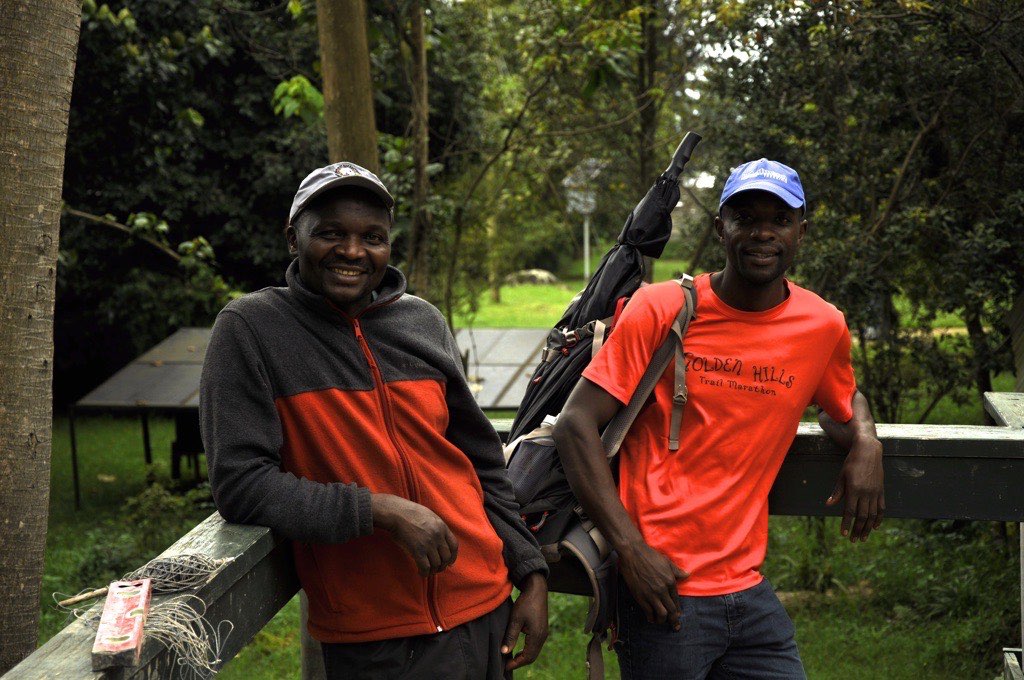
Photo: Maxime Devillaz
Pay the Right Price
Climbing Mount Kilimanjaro is not done on a whim. There’s a hefty output felt both by the environment and your wallet. But a journey made right can be a memory for life. With some research, you can find the deals that will benefit both options above.
Any tour operator faces high costs to provide for a climb. Among those is the National Park fee, which, with hut fees and taxes, is about $180 per person/day. On top of that, there’s staff wages, food and equipment, transportation and logistical costs. Naturally, it can get expensive. Some try to overcharge; others make irresistible deals.
At this time, it’s important to find a deal with a reputable company. Find a middle ground that will ensure you a trip worth your expectations, without getting snagged on the experience or your money.

Photo: Ninara via Flickr
It’s true, the tourism industry brings with it tons of waste. The glacier atop is melting; the environment around is subject to water contamination and soil erosion. In a sense, the crowds plague this symbolic attraction.
On the other hand, staying at home won’t make it better. It’s a source of revenue that supports hundreds of guides, 10,000 porters, and half-a-thousand cooks, according to World Bank’s 2013 report. The $50 million from Kilimanjaro equals 13 percent of the country’s overall GDP. For a developing country, this money is significant to help improve the lives of many locals in need.
Happy climbing!
Also Read:
Why You Need To Go On An African Safari Now
How these Sustainable Coffee Farmers are Changing Lives in Rwanda
Check out our Go Places section for more stunning destinations for your next vacation!
